
Buying guides

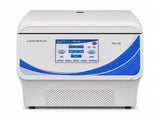
RPM vs RCF (× g): How to Convert and Choose a Centrifuge
Why protocols give centrifuge speed in × g, the RPM to RCF formula with worked examples, an rpm table for common rotor radii, and how to match force and volu...

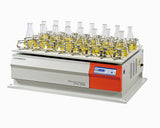
How to Choose a Lab Shaker: Open-Air, Incubated, CO₂ or Water Bath
Open-air, incubated and refrigerated, CO₂ and water-bath shakers compared: what surrounds the flasks, how cold and how hot each gets, how orbit, speed and fi...

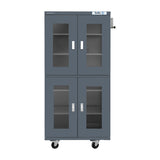
Nitrogen vs Electronic Dry Cabinet: Which Do You Need?
An electronic dry cabinet dries the air inside on mains power alone; a nitrogen cabinet replaces it with dry nitrogen and also keeps oxygen away. How dry eac...

USP Apparatus 1 vs 2: Basket or Paddle for Dissolution Testing?
Apparatus 1 holds the dosage unit in a rotating basket; Apparatus 2 lets it sink under a paddle. How they differ, typical speeds, test stages and how many st...

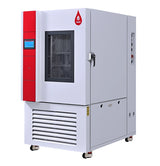
How to Choose an Environmental Test Chamber: Climate, Rapid Change or Thermal Shock
Climate chambers hold steady conditions, rapid change chambers ramp at a set rate, and thermal shock chambers move samples between hot and cold in seconds. H...

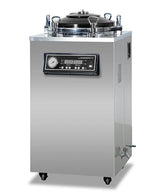
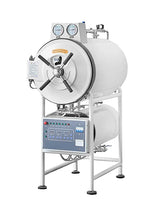
How to Choose a Lab Autoclave: Size, Type and Cycles
Size an autoclave by your largest load, then choose vertical or horizontal, gravity or prevacuum, and the cycles your loads need. Chamber sizes to scale, pow...

Ducted vs Ductless Fume Hood: Which Is Right for Your Lab?
A ducted fume hood sends vapors out of the building; a ductless hood filters them and returns the air to the room. Where each one fits, how sash height sets ...

Laminar Flow Hood vs Biosafety Cabinet: Which Do You Need?
A laminar flow hood protects only the sample; a Class II biosafety cabinet also protects you and the lab. How the air moves in each, what each one is for, ve...

Class II A2 vs B2 Biosafety Cabinets: How to Choose
An A2 recirculates about 70% of its air and needs no duct; a B2 exhausts 100% through a dedicated duct for work with volatile toxic chemicals. How to choose,...